
Central banks are increasing gold reserves while tokenized gold markets are expanding across digital finance. Together, these trends point toward a possible hybrid future where physical bullion remains the trust anchor and blockchain-based systems improve settlement, collateral use, and accessibility. This article explores how sovereign gold accumulation and digital gold infrastructure could reshape global finance.
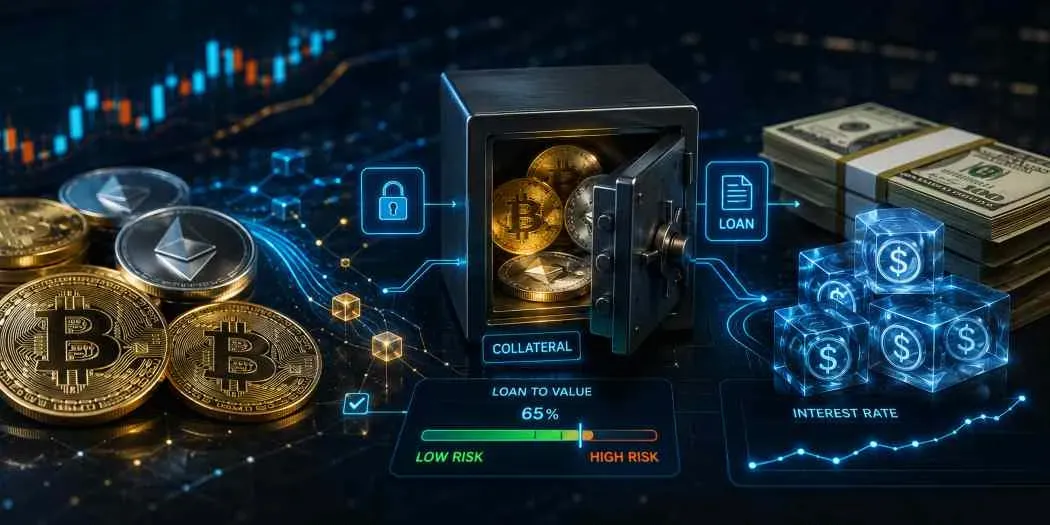
Crypto-backed loans let borrowers access liquidity without immediately selling Bitcoin, Ethereum, or other digital assets. The structure can help preserve market exposure, but it also introduces liquidation risk, interest-rate costs, custody concerns, tax questions, and platform risk. This guide explains how using crypto as collateral works, when it may make sense, and what borrowers should review before pledging digital assets.

As the world of gold ownership continues to evolve, investors face choices between physical gold, tokenized gold, and a hybrid model. This article explores how tokenized gold offers accessibility and liquidity, while physical gold provides stability. We’ll look at the future of gold ownership and how combining both approaches could reshape the investment landscape. Whether you’re new to gold investing or a seasoned pro, understanding these options is essential for future-proofing your gold portfolio.

Tokenized gold and Gold ETFs offer distinct benefits for investors seeking exposure to gold. This article explores the key differences between these two investment options, highlighting factors such as liquidity, fees, and security. Learn how tokenized gold offers 24/7 access, low fees, and blockchain security, while Gold ETFs provide a more traditional approach with management fees and limited trading hours. Discover which option fits your investment strategy best.

Institutional investors are exploring digital gold for portfolio diversification and market stability. This article delves into the factors driving tokenized gold adoption, from its liquidity and security to its growing use in DeFi and as a hedge against inflation. As blockchain technology reshapes traditional finance, gold-backed tokens like PAXG and Tether Gold are emerging as a key asset class for institutional players. Learn how these innovations are shaping the future of gold investments.

Is tokenized gold safer than traditional physical gold? This article compares the security of digital gold backed by blockchain technology and traditional gold stored in vaults. Learn how PAXG and other gold-backed tokens offer liquidity, transparency, and ease of access while exploring the physical security of gold stored in vaults. Dive into the pros and cons of each and understand which option offers greater safety for investors.

Tokenized gold is transforming the investment landscape, allowing investors to gain exposure to gold in digital form. This article explores how gold price trends influence the performance of tokenized gold investments, particularly on DeFi platforms. Learn how fluctuations in the gold market affect the liquidity, security, and demand for gold-backed tokens, and how tokenized gold fits into broader investment strategies.

In the world of tokenized gold, the ability to redeem your digital tokens for physical bullion offers a unique opportunity for investors. This article explains how platforms like PAXG allow for the seamless conversion of gold-backed tokens into real-world gold. Whether you’re seeking liquidity, protection against inflation, or tangible gold for long-term wealth preservation, understanding the redemption process is crucial for modern investors.

As DeFi continues to evolve, tokenized gold is becoming a crucial component of modern digital finance. This article explores how tokenized gold is transforming the investment landscape, offering liquidity, transparency, and security while serving as a hedge against inflation. Discover how gold-backed tokens are reshaping both DeFi platforms and the broader financial ecosystem.

As investors increasingly seek to diversify their portfolios with gold, fractional ownership offers an affordable way to gain exposure. This article explores the key differences between digital and physical fractional gold ownership, highlighting the accessibility and flexibility each option offers. Discover how tokenized gold and physical gold can be integrated into your investment strategy to hedge against inflation and market volatility.

In a world dominated by cryptocurrencies, gold remains a key asset for portfolio diversification. This article explores why gold still matters in a crypto-driven economy and how gold-backed crypto offers a unique blend of stability and growth. By examining macroeconomic trends and market dynamics, we show how gold continues to play an essential role in the financial ecosystem, providing security in times of volatility.

Gold-backed crypto is revolutionizing how investors access the security of gold through blockchain technology. But what ensures these digital assets are legitimate? This article explores the transparency, custody, and trust behind gold-backed crypto, shedding light on the custodians and audits that make these assets a secure option for diversifying portfolios. In 2026, with gold-backed tokens becoming more mainstream, understanding what’s behind them is crucial for modern investors.

PAXG and XAUT are two of the most prominent gold-backed stablecoins in the cryptocurrency space. Offering the stability of gold combined with the flexibility of blockchain technology, these tokens have gained traction in recent years. This article compares PAXG and XAUT, exploring their key features, market positioning, and what investors need to know about these innovative crypto gold tokens. Discover which token might suit your investment strategy best.

In 2026, inflation and interest rates are key drivers of tokenized gold’s market performance. This article explores how these macroeconomic factors impact the price and demand for gold-backed cryptocurrencies, providing investors with strategies for portfolio diversification. Discover how tokenized gold can act as a hedge against economic uncertainty and inflation, offering flexibility and security in an increasingly digital finance world.

In 2026, investors are increasingly navigating the decision between digital gold and Bitcoin for their portfolios. As inflation concerns rise and volatility persists, these two assets offer distinct advantages—digital gold for its stability and hedge against inflation, and Bitcoin for its growth potential and decentralization. This article explores portfolio allocation trends and how investors are balancing the two to manage risk and maximize returns in a challenging market environment.

PAX Gold is gaining traction as investors seek a balance between crypto flexibility and gold-backed stability. As market volatility persists and gold prices remain elevated, tokenized assets like PAXG are attracting attention from both retail and institutional participants. By combining physical gold ownership with blockchain accessibility, PAX Gold offers a unique alternative for those looking to diversify within the digital asset space while maintaining exposure to a time-tested store of value.

Tokenized gold is transforming how investors access and track gold prices in real time. By combining physical bullion backing with blockchain technology, these digital assets aim to mirror the gold market with precision and transparency. This guide explores how tokenized gold pricing works, including the role of arbitrage, liquidity, and market data, helping investors understand how digital gold stays aligned with physical value.

Gold continues to play a critical role in how high-net-worth investors manage risk and preserve wealth in today’s volatile financial landscape. As inflation concerns, interest rate uncertainty, and geopolitical tensions shape global markets, strategic allocation to gold has become more dynamic and intentional. This article explores how affluent investors are adjusting their portfolios, the factors influencing their decisions, and why gold remains a cornerstone asset for long-term stability and diversification.
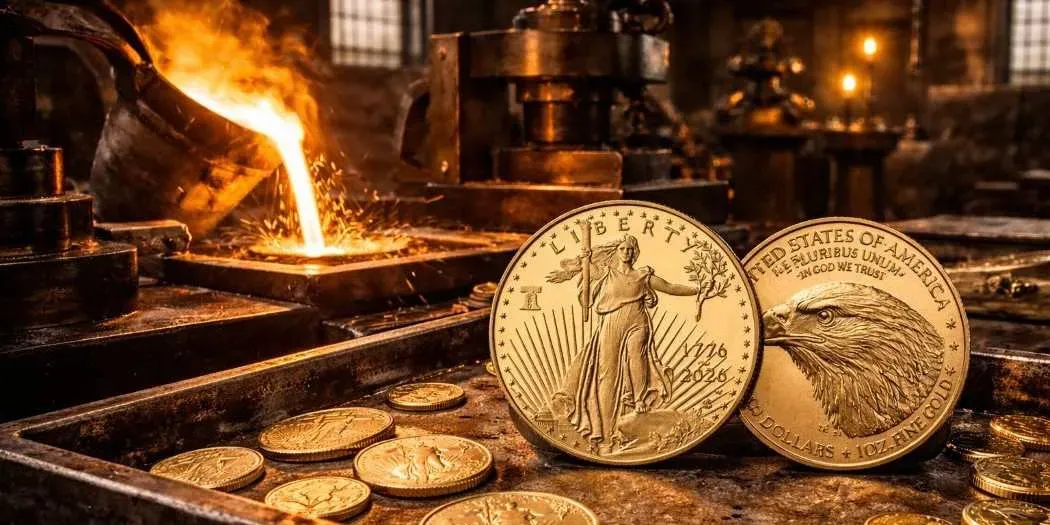
The 2026-W American Gold Eagle Proof coins mark a historic milestone, celebrating 250 years of American independence. Featuring a dual date and a rare Liberty Bell privy mark, this limited release has quickly captured attention among collectors and investors. Combining iconic design with intrinsic gold value, these coins represent a unique opportunity to own a meaningful piece of U.S. history while participating in the modern precious metals market.

As global markets navigate rising geopolitical tensions and renewed inflation concerns, the debate between gold and digital assets is intensifying. Tether is emerging as a powerful force in global liquidity, while gold continues to stand as a time-tested store of value. Understanding how these two assets interact—and where they diverge—offers critical insight into the evolving landscape of safe haven investing in 2026.

Alpha Bullion provides a seamless way to convert digital gold into physical assets. By connecting PAX Gold tokens with real bullion products, the platform offers investors flexibility, transparency, and security. With pricing aligned to the live gold spot price and access to a wide range of gold coins and bars, Alpha Bullion simplifies the process of turning cryptocurrency-backed gold into tangible wealth. Designed through a partnership between Paxos and Bullion Exchanges, it represents a modern evolution in how investors buy, hold, and redeem gold.

As global markets evolve, the intersection between cryptocurrency and precious metals is gaining attention. A hypothetical $20 billion capital shift from a major crypto player into gold could have meaningful implications for supply, pricing, and investor behavior. With gold already influenced by inflation, interest rates, and geopolitical tensions, the addition of large-scale digital capital raises new questions about future demand. This analysis explores how such a move could reshape the gold market and what it may signal for investors navigating today’s complex financial landscape.

Bitcoin and gold are once again at the center of a major market debate. As precious metals face short-term pressure and cryptocurrencies regain momentum, investors are questioning which asset is truly leading in 2026. While gold has historically served as a reliable store of value, Bitcoin is increasingly competing for that role in a digital-first financial landscape. Understanding how these assets perform across different market conditions can help investors make more informed decisions in today’s rapidly evolving economic environment.

Gold investing has evolved far beyond traditional bullion, with digital gold and tokenized assets offering new ways to gain exposure to this timeless store of value. As markets shift and investors seek both stability and flexibility, understanding the differences between physical gold, Bitcoin, and gold-backed tokens has never been more important. Each option carries its own risks, benefits, and role within a diversified portfolio, making it essential to evaluate how these assets perform in today’s economic environment.


