Alpha Bullion is unable to fulfill orders from unverified accounts. To redeem PAX Gold tokens for physical gold products, please follow our verification process here.
As global markets evolve, the intersection between cryptocurrency and precious metals is gaining attention. A hypothetical $20 billion capital shift from a major crypto player into gold could have meaningful implications for supply, pricing, and investor behavior. With gold already influenced by inflation, interest rates, and geopolitical tensions, the addition of large-scale digital capital raises new questions about future demand. This analysis explores how such a move could reshape the gold market and what it may signal for investors navigating today’s complex financial landscape.
Bitcoin and gold are once again at the center of a major market debate. As precious metals face short-term pressure and cryptocurrencies regain momentum, investors are questioning which asset is truly leading in 2026. While gold has historically served as a reliable store of value, Bitcoin is increasingly competing for that role in a digital-first financial landscape. Understanding how these assets perform across different market conditions can help investors make more informed decisions in today’s rapidly evolving economic environment.
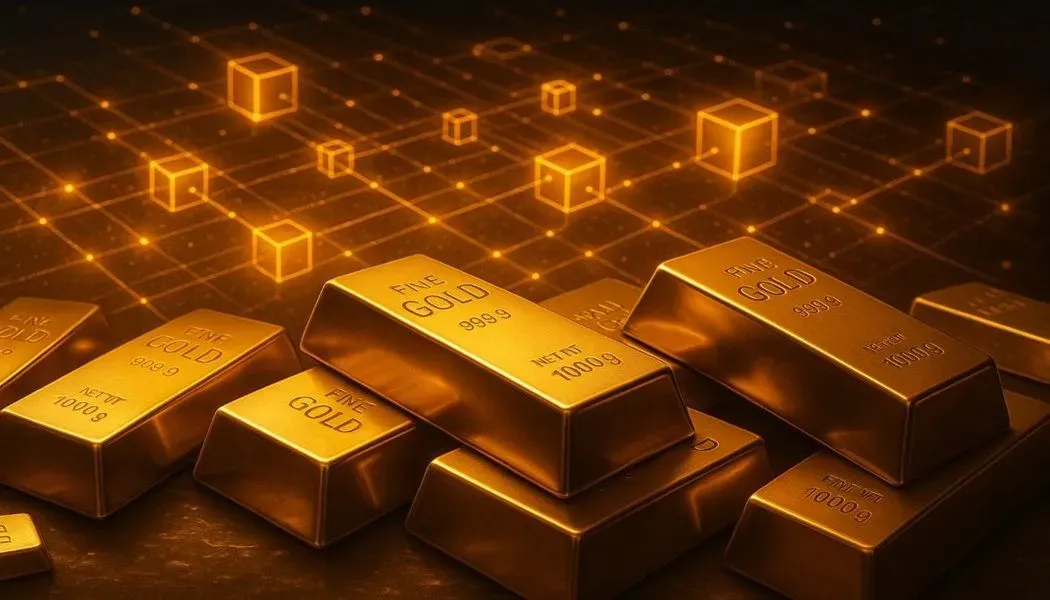
Gold investing has evolved far beyond traditional bullion, with digital gold and tokenized assets offering new ways to gain exposure to this timeless store of value. As markets shift and investors seek both stability and flexibility, understanding the differences between physical gold, Bitcoin, and gold-backed tokens has never been more important. Each option carries its own risks, benefits, and role within a diversified portfolio, making it essential to evaluate how these assets perform in today’s economic environment.
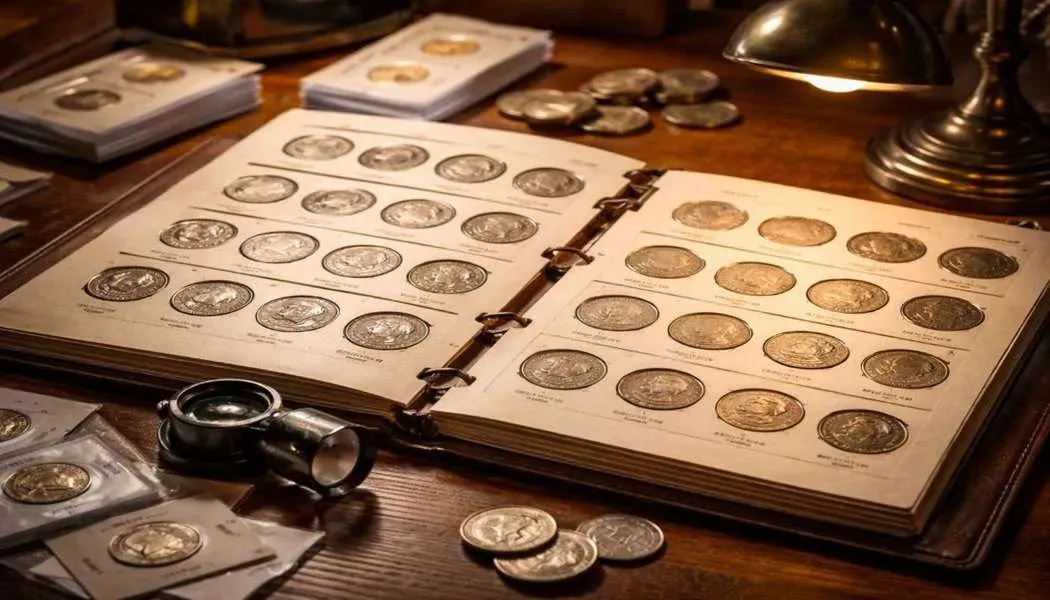
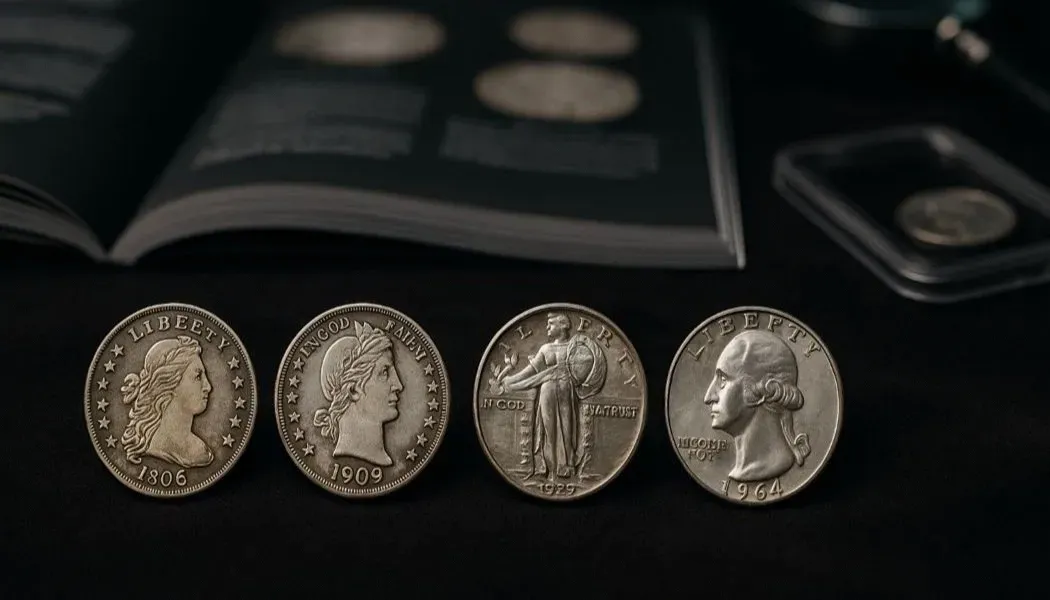
Rare U.S. quarters can be worth far more than their face value, from early silver coins to modern mint errors. This guide breaks down the most valuable quarters, what makes them desirable, and how to identify key dates and rare finds. Whether you're a beginner or experienced collector, understanding these coins can help you uncover hidden value in your collection or even everyday pocket change.
The Federal Reserve’s latest decision to hold interest rates has sent ripples across financial markets, pressuring precious metals while leaving Bitcoin relatively stable. As investors reassess positioning, the relationship between interest rates, inflation, and safe-haven assets is once again in focus. Understanding how gold, silver, and digital assets respond to shifting monetary policy is essential for navigating today’s volatile market environment. This analysis breaks down what the Fed’s decision means now—and what could come next.
Digital gold currencies have fascinated investors for decades. Long before cryptocurrency became mainstream, innovators experimented with systems that linked online payments to physical gold reserves. Early platforms like E-Gold attempted to combine the stability of precious metals with the speed of internet transactions. Today, blockchain technology has revived the concept through tokenized gold and gold-backed cryptocurrencies. Understanding the history of digital gold helps investors see how financial technology continues to reshape precious metals ownership while still tracking the gold spot price.
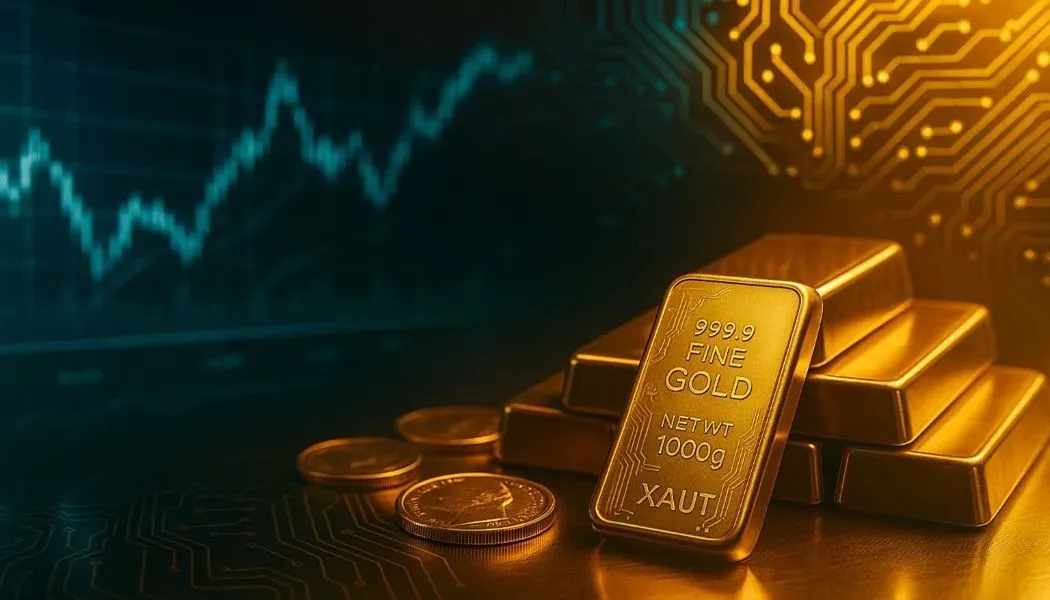
Tether’s $150 million strategic investment in Gold.com marks a pivotal moment in the evolution of digital gold. By combining tokenized assets like XAU₮ with established physical bullion infrastructure, the partnership highlights how blockchain technology is reshaping access to gold. As gold prices surge and demand for on-chain, asset-backed alternatives grows, this move underscores the accelerating convergence of traditional precious metals markets and digital finance.
Bitcoin and major cryptocurrencies are trading under pressure as ongoing regulatory uncertainty weighs on investor confidence. As policymakers debate oversight, enforcement, and classification of digital assets, crypto markets remain highly sensitive to shifting headlines. Understanding why Bitcoin and altcoins are struggling—and how this contrasts with movements in the gold spot price and silver spot price—offers valuable insight into how investors respond when clarity is lacking in fast-evolving financial markets.
Gold and silver markets are operating at heightened levels as the price of gold and silver spot price continue to draw strong investor interest. During periods of elevated demand, the precious metals supply chain may experience short-term operational adjustments. This article explores why these changes occur, how they affect pricing and availability, and what investors should understand about precious metals market dynamics during active price cycles.
Gold and silver have risen to the top of global asset rankings by market capitalization, surpassing even the world’s largest corporations. This article explains how market cap is calculated, why precious metals continue to dominate during economic uncertainty, and how they compare to stocks and digital assets like Bitcoin. Designed for investors seeking clarity, it offers practical insight into why the price of gold and the price of silver remain critical indicators of global confidence and long-term wealth preservation.
Gold ownership is evolving alongside blockchain technology and digital assets. As tokenized gold and crypto-backed platforms gain traction, investors face new questions about security, custody, and long-term protection. This guide examines how digital gold compares to physical gold in 2026, highlighting the advantages, risks, and ownership considerations that matter most in an increasingly tokenized financial world.
As bold Bitcoin price forecasts circulate, investors are once again comparing digital assets with traditional safe havens like gold and silver. A potential move to $250,000 per Bitcoin raises important questions about volatility, inflation protection, and portfolio balance. This article explores how a major crypto rally could influence precious metals, why investors often view these assets together, and what history suggests about owning both in periods of monetary uncertainty.
As gold prices reach new highs, investors are turning to the blockchain for access to digital bullion. Tether Holdings, the issuer behind Tether Gold (XAU₮), is expanding its precious-metals operations by hiring top global metals traders from HSBC—signaling the next evolution in gold investing. This move highlights the rapid convergence of traditional finance and digital assets, reshaping how investors buy, hold, and trade gold worldwide. Alpha Bullion explores how tokenized gold is bridging the gap between physical value and digital innovation in the modern precious-metals market.
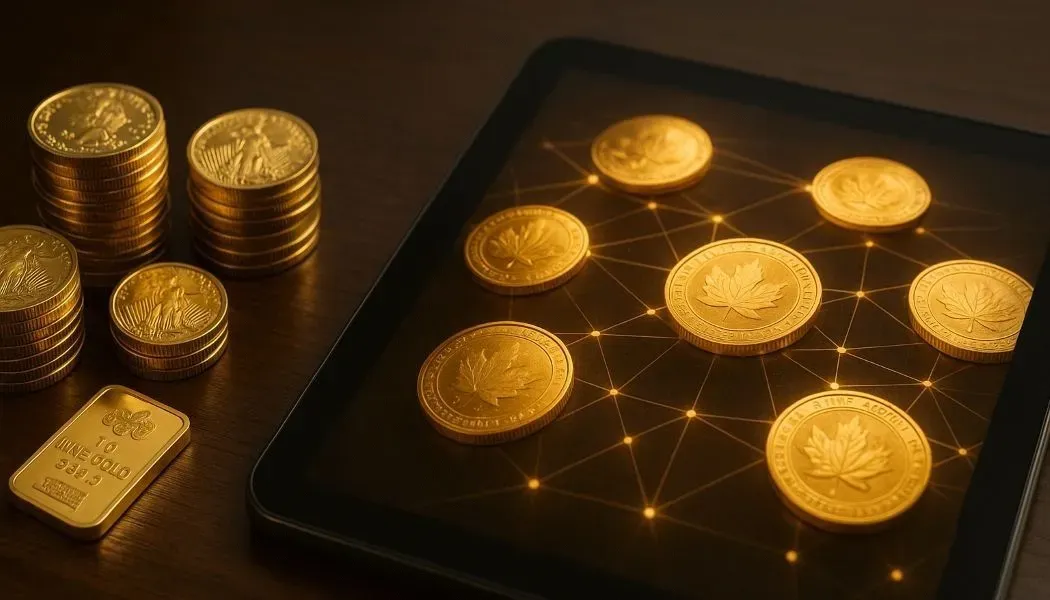
The evolution of gold ownership is redefining modern investing. From tangible fractional gold coins to blockchain-based digital tokens, investors now have unprecedented access to precious metals at any scale. This Alpha Bullion feature breaks down both approaches — their benefits, risks, and long-term potential — to help you decide which best fits your financial goals in a world where gold and crypto are converging.
Gold’s record-breaking rally in 2025 is redefining both traditional and digital investing. As prices soar above $4,100 per ounce, gold-backed tokens like Tether Gold (XAUT) and PAX Gold (PAXG) are attracting unprecedented investor attention — each now exceeding $1 billion in market value. These tokenized assets merge the security of physical gold with the accessibility of blockchain, creating a new frontier for precious-metals ownership. Here’s how the rise of digital bullion is transforming portfolios and reinforcing gold’s enduring role as the ultimate store of value.
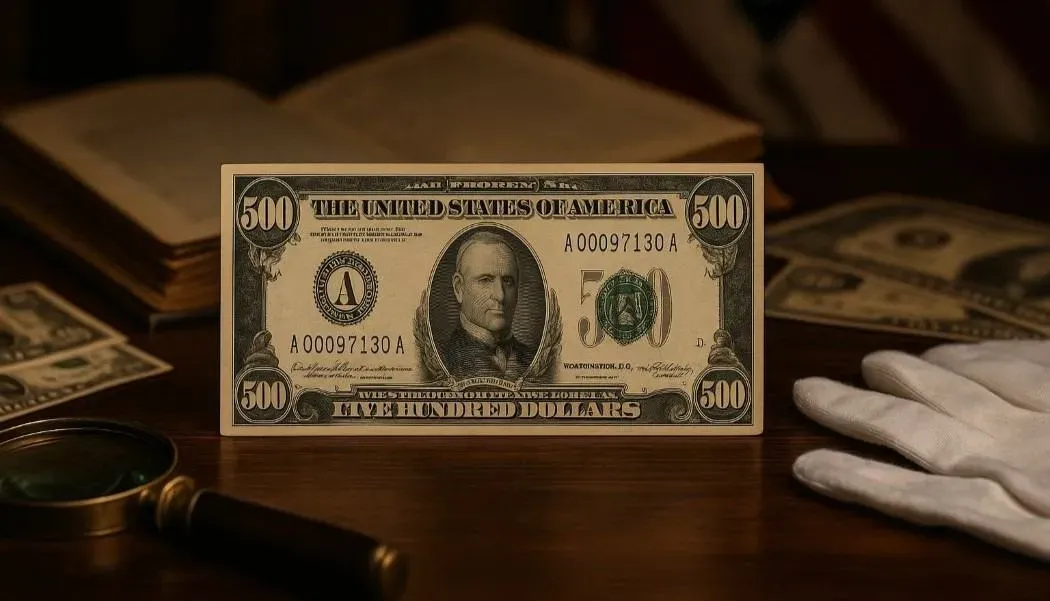
The $500 bill remains one of America’s most fascinating pieces of currency. Though withdrawn from circulation decades ago, its allure endures among collectors and historians. Each note captures the artistry and innovation of U.S. paper money, offering a glimpse into a bygone era of large-denomination currency. Today, it stands not just as a rare collectible but as a lasting symbol of America’s financial and cultural legacy.
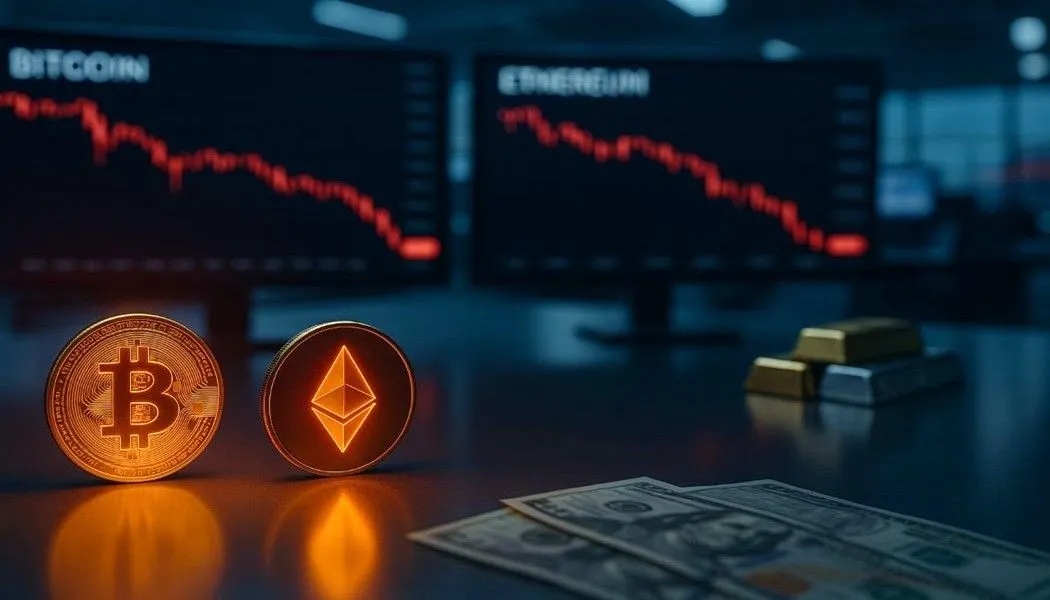
September 2025 has brought a sharp correction to crypto markets, with Bitcoin sliding from highs above $124,000 to near $109,000 and Ethereum falling from nearly $5,000 to around $3,880. Dubbed “Red September,” this downturn reflects a mix of seasonal weakness, macroeconomic headwinds, and technical breakdowns. For investors, the question is whether this is a temporary setback or a sign of deeper challenges. By examining past Septembers, current macro risks, and the divergence with gold and silver, we can better understand today’s slump — and where opportunity may emerge next.
Quarters have been part of American coinage since 1796, but not all are created equal. While many circulate at face value, others command impressive premiums thanks to rarity, silver content, or striking errors. From early Draped Bust issues to modern W-mint marks and American Women quarters, the series offers both historic treasures and modern surprises. Understanding what makes these coins valuable helps collectors and investors identify opportunities hidden in everyday change.
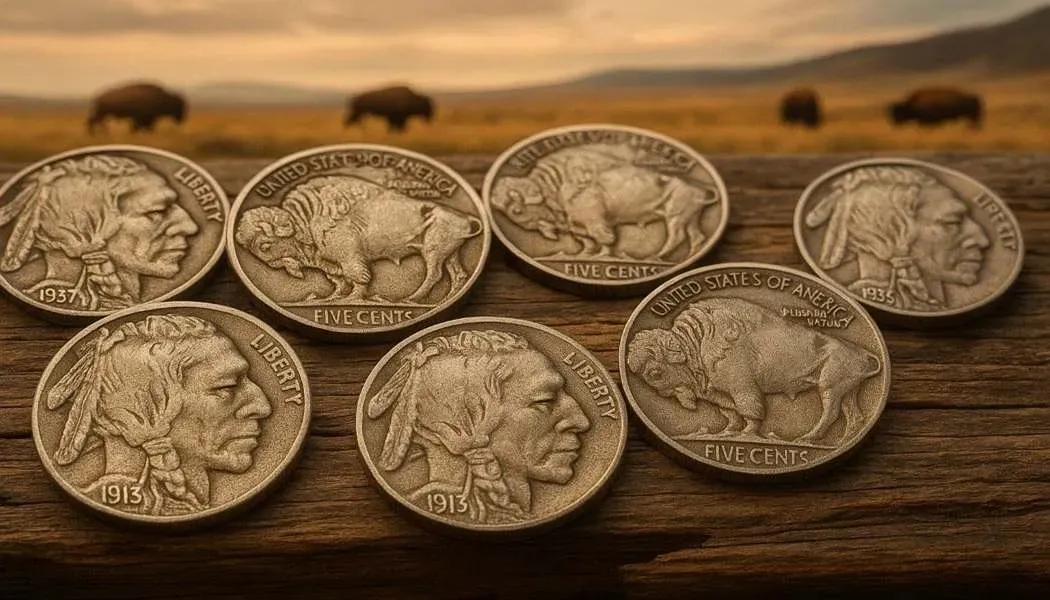
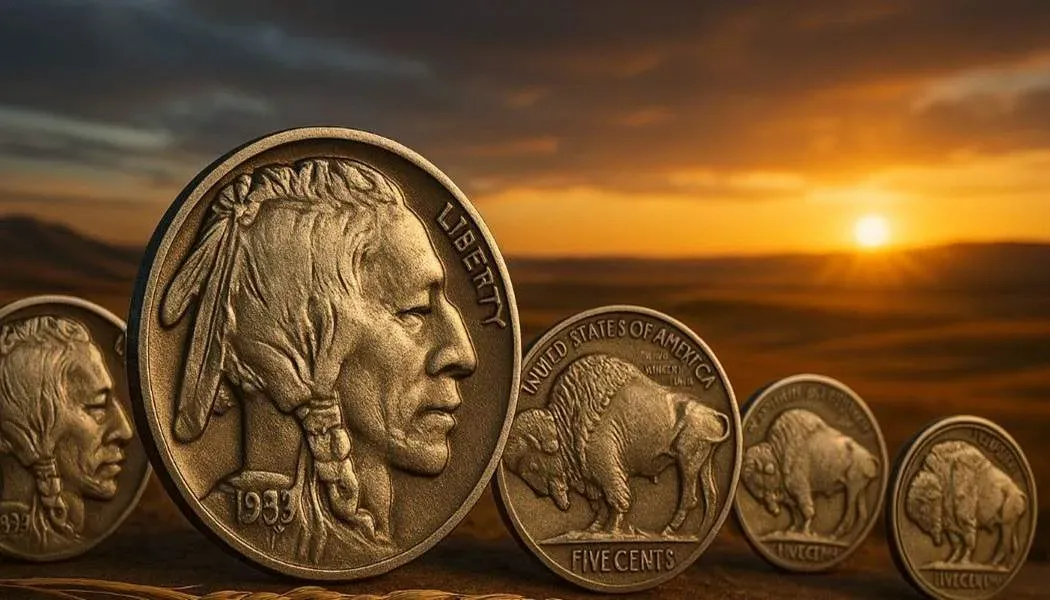
Few U.S. coins capture the imagination like the Buffalo Nickel. Minted from 1913 to 1938, this iconic five-cent piece blends artistry, history, and rarity, making it a centerpiece for collectors and investors. Designed by James Earle Fraser, the coin honors Native American heritage and the rugged American frontier. From the prized 1918/7-D overdate to the legendary 1937-D 3-Legged error, Buffalo Nickels offer both cultural significance and exceptional value. Whether you’re hunting for key dates or studying its rich symbolism, this guide explores the series’ history, standout issues, and why these nickels remain a cornerstone of numismatic collections.
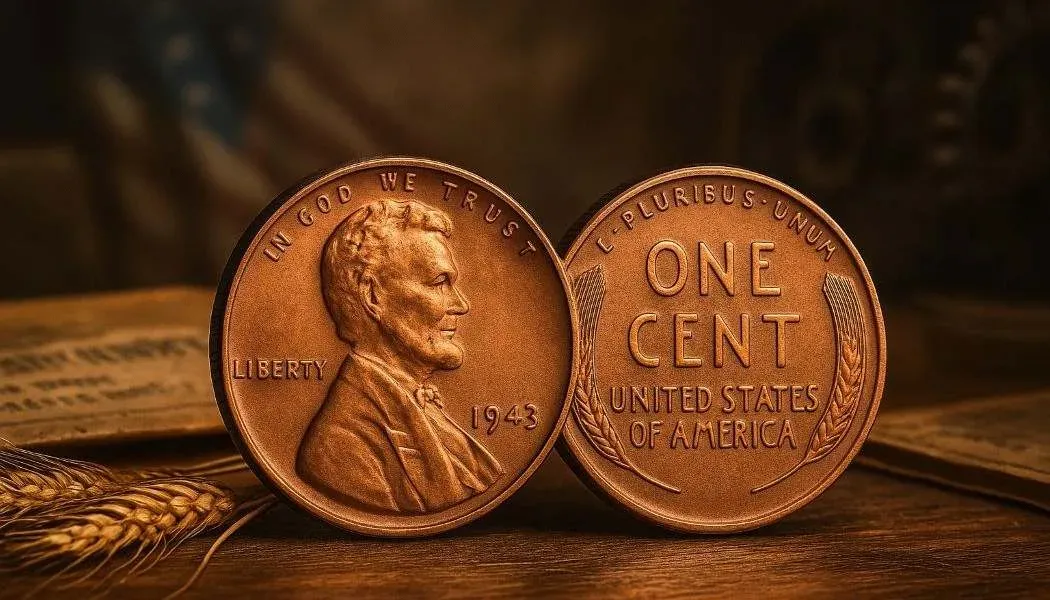
The 1943 Copper Lincoln Wheat Cent is one of America’s most celebrated minting accidents — a coin born of wartime necessity and preserved by sheer chance. Struck in bronze instead of the zinc-coated steel mandated for that year, fewer than fifteen are known today. With million-dollar auction prices and an enduring place in hobby lore, this “King of Errors” blends history, rarity, and numismatic intrigue. Collectors and investors alike prize it as a tangible link to World War II and a benchmark of how small details can create extraordinary treasures.
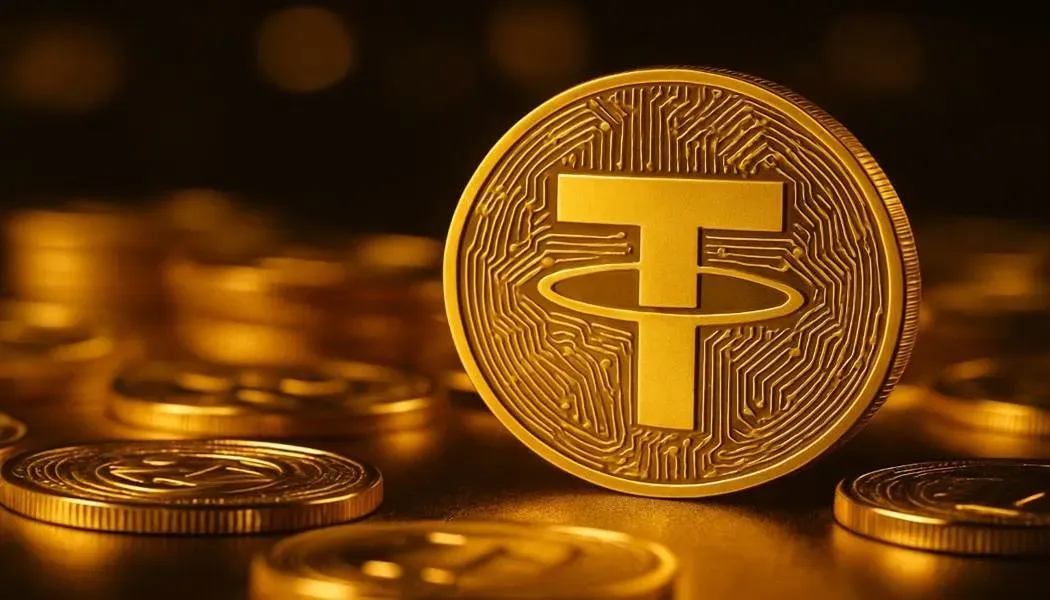
Tether has long dominated the stablecoin market with USDT, but in 2025 the company is turning heads with its growing ambitions in gold. The launch of XAUt0, an omnichain upgrade to Tether Gold, marks a bold step in merging blockchain innovation with the enduring value of bullion. Coupled with reports of potential investments in mining and refining, Tether is signaling that its vision goes far beyond digital dollars—positioning itself as a driving force in the future of gold-backed assets.
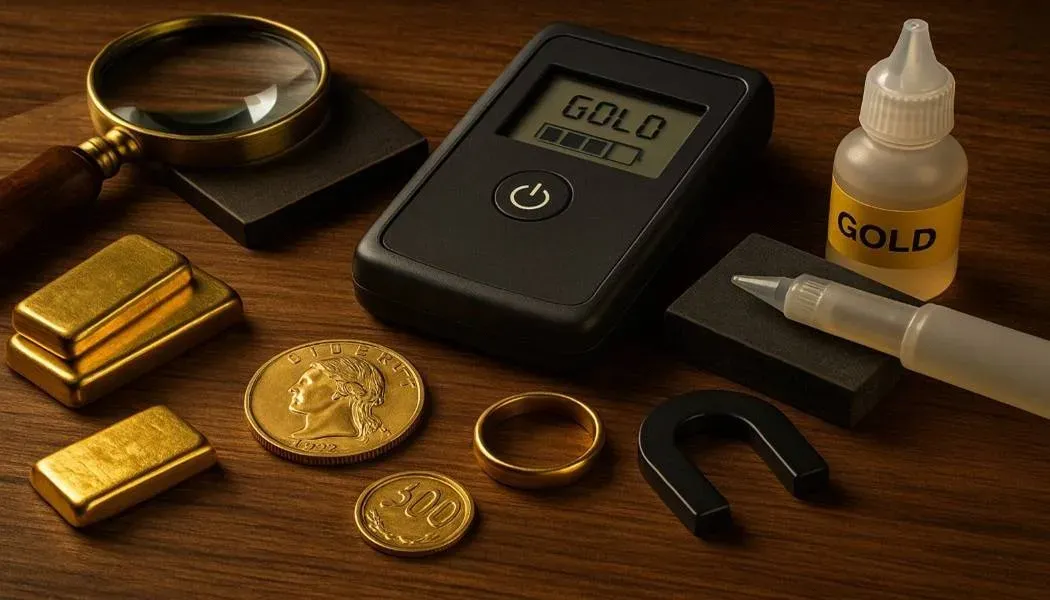
Testing gold at home is an essential skill for collectors, investors, and jewelry owners. With counterfeit risks on the rise, verifying authenticity is key. From simple visual inspections and magnet tests to acid kits, density checks, and advanced electronic tools, there are many ways to confirm your gold is genuine. This guide explores the most effective methods to safeguard your investments and ensure lasting trust in your precious metals.
The Buffalo Nickel, struck from 1913 to 1938, stands as one of the most iconic U.S. coin designs. Created by sculptor James Earle Fraser, it reflects both the dignity of Native American culture and the rugged spirit of the American frontier. With its powerful imagery of a Native American portrait and a bison, the coin remains a cornerstone of American numismatics. From famous rarities like the 1918/7-D overdate to the 1937-D Three-Legged Buffalo, the series offers collectors a rich blend of artistry, history, and challenge.
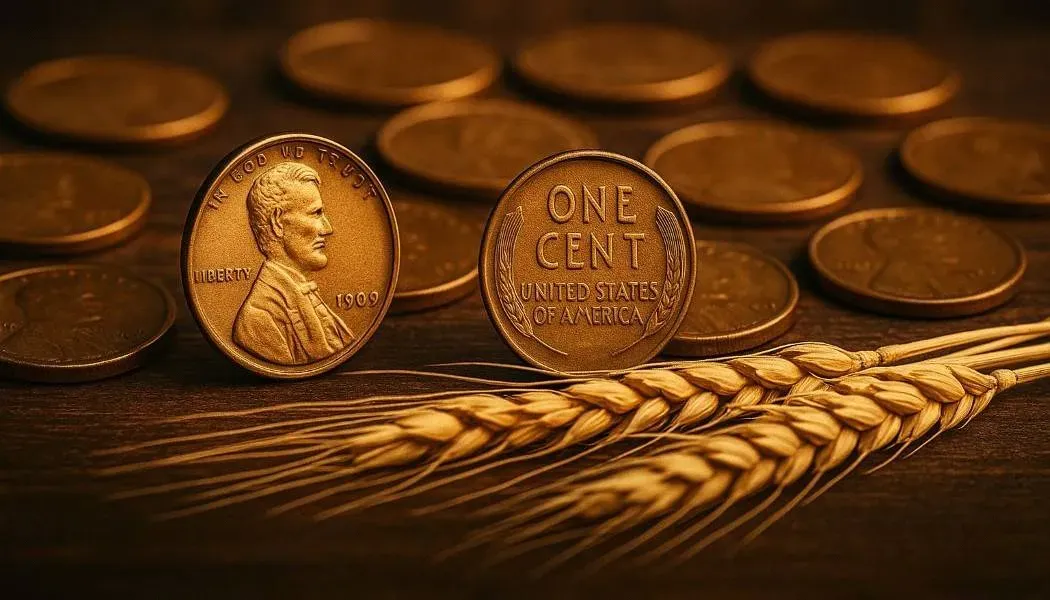
First struck in 1909, the Lincoln Wheat Penny is one of the most iconic coins in U.S. numismatic history. Designed by Victor David Brenner to honor Abraham Lincoln, the Wheat Cent circulated for nearly fifty years and introduced millions of Americans to coin collecting. With its distinctive wheat stalk reverse and enduring cultural appeal, the series produced both accessible collectibles and legendary rarities. From the famous 1909-S VDB to the elusive 1943 Copper Cent, Wheat Pennies remain essential for collectors seeking a tangible connection to American history.
Alpha Bullion is an innovative service for redeeming PAX Gold tokens for real, physical gold. Each token acts as proof of ownership for 1 oz of gold stored at no additional cost in bar form in some of the most secure vaults in London. This provides all the stability benefits offered by precious metals without the burden of storage or shipping. It also allows for a market first feature, as the potential for cryptocurrency loans using PAX Gold would allow customers to essentially earn dividends on precious metals. This unique bridge between the ancient and the innovative has already drawn attention from press such as Coindesk and Jim Cramer of Mad Money. Learn more by following select external articles on our blog, and stay tuned for more original content from Alpha Bullion.